Verelia Association Insights
Industry benchmarks, risk indicators, and planning standards for condominium and homeowners associations.
Updated periodically · Based on industry research and best-practice operating standards
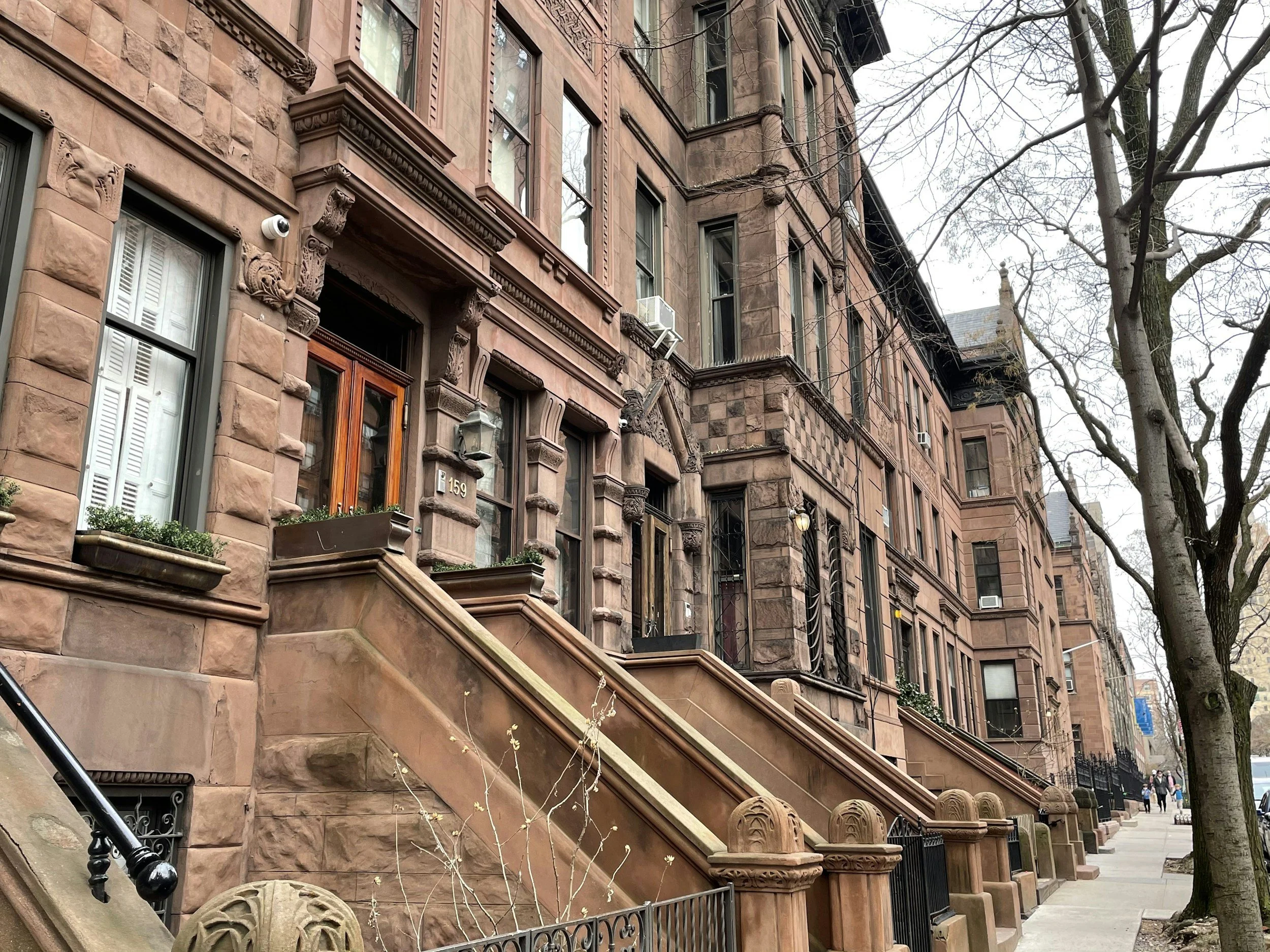
Well-run associations share common financial, operational, and governance characteristics.
This page outlines what boards should expect to see in a healthy community—and how to evaluate financial stability, operational risk, and long-term readiness.
As a newly launched firm, Verelia uses industry benchmarks and proven management frameworks to guide associations from day one.
Financial Health Benchmarks
What Strong Association Finances Look Like
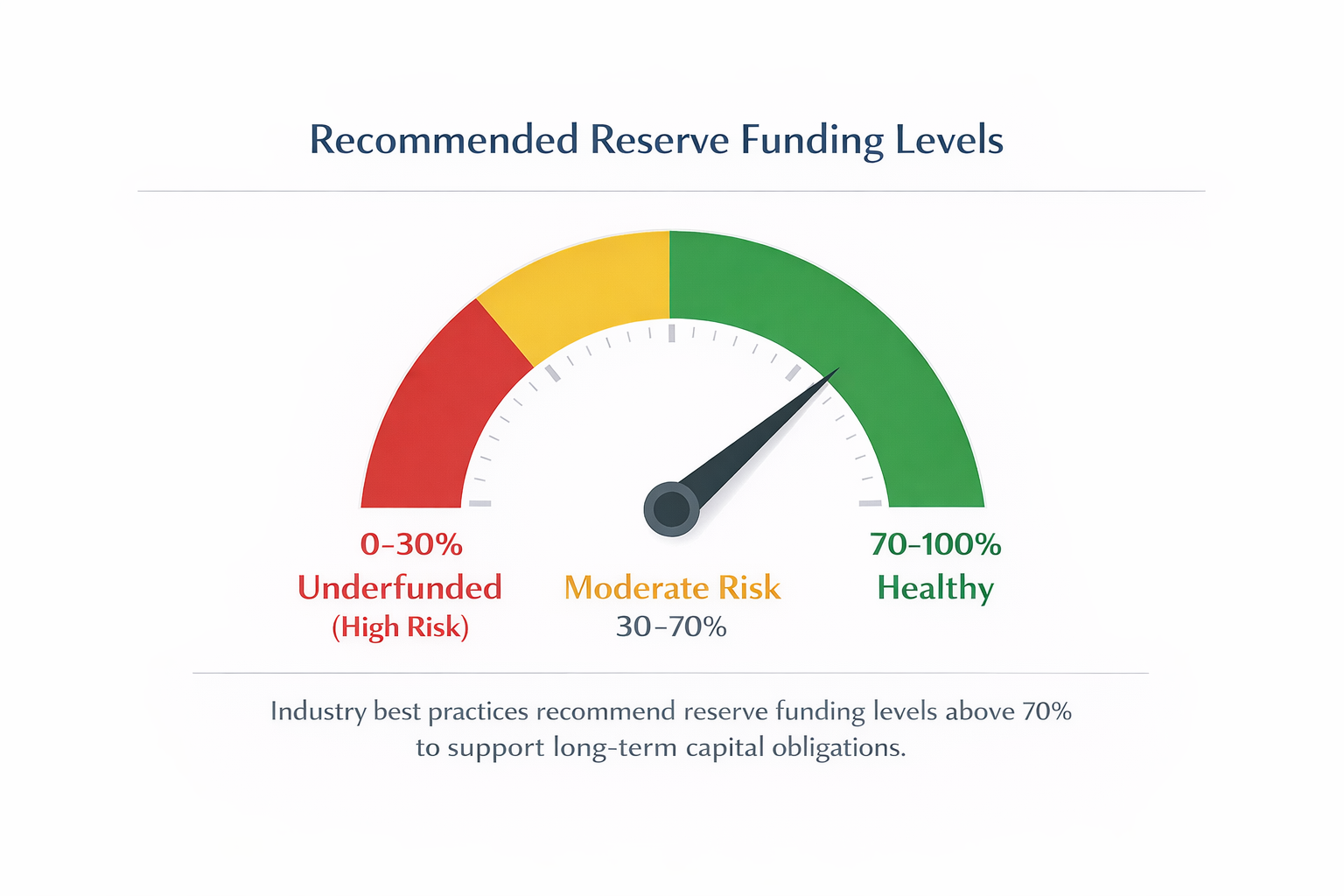
Sound financial management is the foundation of every stable association. Industry standards emphasize reserve adequacy, disciplined budgeting, and proactive planning to avoid deferred maintenance and special assessments.
Typical Operating Budget Allocation
Cost & Risk Drivers
Where Associations Typically Face Pressure
Associations across the country face increasing costs driven by insurance markets, aging infrastructure, and deferred maintenance. Understanding where pressure tends to arise helps boards plan before costs escalate.
Common Sources of Operating Cost Growth
Governance & Board Operations
Indicators of a Well-Run Association
Effective governance reduces risk, supports informed decision-making, and improves owner confidence. While structures vary, strong associations consistently demonstrate several operational habits. Associations that maintain consistent governance practices are better positioned to manage financial and operational risk.
Governance Best-Practice Adoption
The State of Jersey City Associations in 2025
Jersey City boards are currently facing a 'perfect storm': rising insurance premiums, strict new state mandates for structural inspections, and a shift in resident expectations toward digital transparency
At Verelia Properties, we don't just 'collect dues.' We act as your building's Chief Operating Officer. We specialize in navigating Hudson County's unique regulatory environment—from Waterfront flood zone requirements to Journal Square's rapid development impacts.
How Verelia Uses These Insights
From Benchmarks to Action
Verelia applies these benchmarks as a practical operating framework—not theoretical guidelines.
Our management approach begins with:
Reviewing association finances against industry standards
Identifying reserve and maintenance risk
Aligning capital planning with long-term needs
Supporting board governance and compliance
Establishing a clear reporting and communication cadence
This structure allows associations to move forward with clarity and confidence.